
Jan Erlone’s Failed Solidarity
Native SonThis thread follows Jan Erlone’s attempt to treat Bigger as an equal, the suspicion that follows, and his later decision to help the man who framed him.
increasing Bearing strength in each event
 decreasing
Bearing strength in each eventdecreasingAn Awkward Handshake

Equality Offered Too Quickly
A gesture of fellowship
Jan introduces himself to Bigger, insists that they use first names, and asks him to shake hands. Jan intends to reject racial hierarchy, but Bigger experiences the encounter as confusing and exposing.
Good intent meets history
Jan’s gesture does not erase the social rules that have taught Bigger to distrust white intimacy. The gap between intention and effect shapes their uneasy relationship from the beginning.
A Night Out Together
Friendship as an Experiment
A shared evening
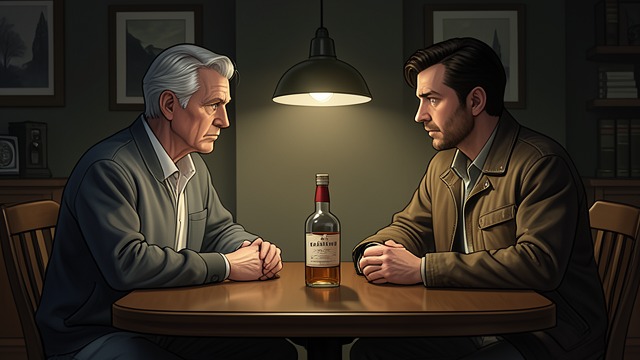
Jan and Mary take Bigger to eat, offer him rum, and talk about organizing Black workers. They speak warmly, but their political language and familiarity remain difficult for Bigger to interpret.
Closeness without trust
Bigger’s presence between them does not feel equal. He senses the racial and economic differences even as Jan and Mary try to bridge them, making the evening both intimate and painfully uncomfortable.
A Scapegoat in Custody

Jan Becomes the Suspect
An accusation takes hold
Bigger tells investigators that Jan came to Dalton family residence and directed the handling of Mary’s suitcase. Jan’s effort to protect Mary’s reputation initially produces denials that appear inconsistent.
Political prejudice deepens the case
Britten treats Jan’s Communist identity as evidence of criminality. Jan is held and questioned while reporters frame the disappearance as a Red conspiracy.
Jan Chooses to Help

Anger Replaced by Understanding
A difficult apology
Jan tells Bigger that he is not angry and admits that his earlier assumptions failed to recognize the distance between them. He says that Bigger had reason to distrust his gestures, though Jan cannot take responsibility for the whole society.
Solidarity without absolution
Jan offers Max’s legal help, not as forgiveness for the murders but as a commitment to face the conditions surrounding them. His response gives Bigger an unfamiliar experience of being addressed as human.
A Witness Against the Mob

Jan Testifies Under Attack
The case distorts his conduct
Jan answers questions about drinking, sex, and his political beliefs while the coroner uses his interracial friendship with Mary to suggest a corrupting motive. Max objects that the questions inflame public prejudice.
A refusal to retaliate
Despite being framed by Bigger, Jan continues to support the defense. His choice does not undo the harm, but it demonstrates a possibility of solidarity that Bigger has rarely encountered.
Saturday night, outside the Labor Defender Office
Late Saturday night, from Ernie's Kitchen Shack to Washington Park
Sunday, after Mary is reported missing
After Bigger is captured, during a visit to the jail
At the inquest and trial
